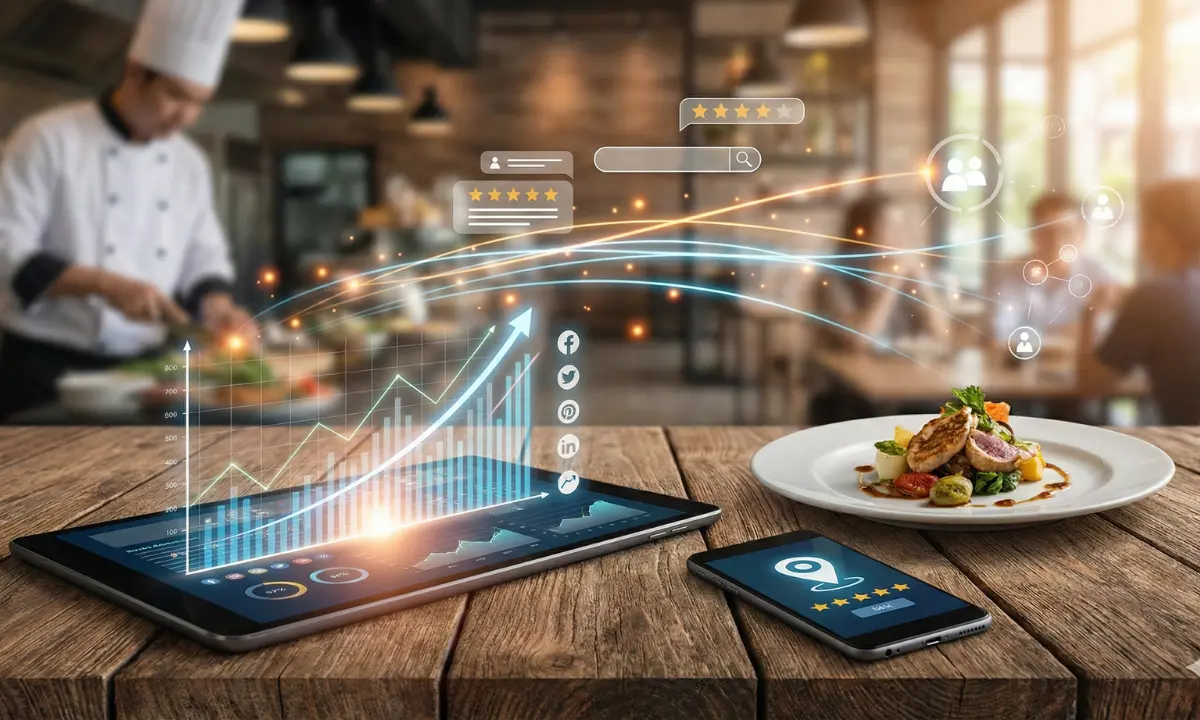


As AI marketing continues to shape the landscape in 2026, companies are leveraging cutting-edge tools to foster more meaningful interactions with customers. This shift is not just trend-driven but a fundamental change in how brands build loyalty and drive growth.
Introduction to AI Marketing and Its Impact in 2026
AI marketing refers to the use of artificial intelligence technologies to streamline, enhance, and personalize marketing efforts. In 2026, AI-powered solutions are at the core of most digital marketing strategies, transforming how brands understand and engage with their audiences. The integration of machine learning, natural language processing, and predictive analytics enables companies to deliver highly relevant content, anticipate customer needs, and create a seamless personalized experience.
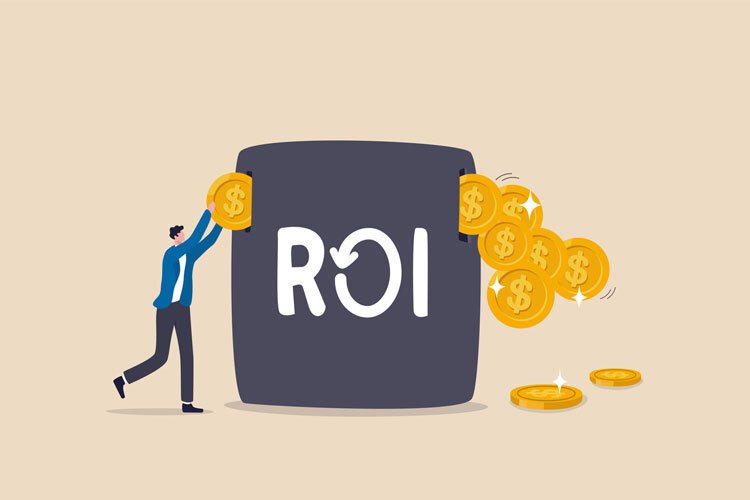
Recent studies in 2026 indicate that over 78% of marketing organizations worldwide now rely heavily on AI marketing to improve customer engagement and ROI. This pervasive adoption underscores AI’s role as a strategic asset, empowering businesses to stay competitive in an ever-evolving digital landscape.
Recent studies in 2026 indicate that over 78% of marketing organizations worldwide now rely heavily on AI marketing to improve customer engagement and ROI. This pervasive adoption underscores AI’s role as a strategic asset, empowering businesses to stay competitive in an ever-evolving digital landscape.
How AI Is Enhancing Customer Data Analysis
Deep Customer Insights Through Advanced Analytics
AI tools allow companies to analyze vast amounts of customer data quickly and accurately. Machine learning models can identify patterns and preferences that would be impossible for humans to detect manually. For instance, predictive analytics can segment audiences based on their past behaviors, purchasing history, and engagement levels, providing a detailed customer profile.
In 2026, AI-driven data analysis has become more refined, enabling brands to predict future purchasing behaviors with 90% accuracy. For example, e-commerce platforms like Shopify have leveraged AI to analyze browsing and shopping habits, enabling personalized product recommendations that increase conversion rates by 35%.
In 2026, AI-driven data analysis has become more refined, enabling brands to predict future purchasing behaviors with 90% accuracy. For example, e-commerce platforms like Shopify have leveraged AI to analyze browsing and shopping habits, enabling personalized product recommendations that increase conversion rates by 35%.
Real-Time Data Processing
Real-time data analysis is another critical feature of AI marketing in 2026. AI systems can monitor customer interactions across multiple channels—websites, social media, emails—and adjust marketing tactics instantly. This agility ensures that customers receive relevant messages at the right moment, significantly enhancing engagement and reducing churn.
Using AI to Create Targeted Marketing Campaigns
Personalization at Scale
Personalized marketing has moved from a luxury to a necessity in 2026, powered extensively by AI. Machine learning algorithms analyze individual customer data to deliver tailored content, offers, and recommendations. For example, luxury brands like Louis Vuitton utilize AI to customize online shopping experiences, resulting in a 40% increase in customer satisfaction scores.
Automated Content Generation
AI technologies such as natural language generation (NLG) enable companies to create personalized emails, social media posts, and ad copy at scale. This automation not only saves time but also ensures consistency and relevance across all touchpoints. Brands like Adobe have integrated AI-powered creative tools to generate marketing content that resonates with specific target segments.
Optimizing Campaign Performance
AI platforms use A/B testing and dynamic optimization to improve campaign performance continuously. For example, Netflix’s AI algorithms optimize video thumbnails and recommendations, leading to increased viewer retention. Similarly, marketing teams can leverage AI to identify the best performing elements of their campaigns and reallocate resources accordingly.
Case Studies: Successful AI Marketing Campaigns in 2026
Sephora’s Virtual Artist

Sephora’s AI-powered Virtual Artist app allows customers to virtually try on makeup products using augmented reality. The AI system analyzes skin tones and facial features to suggest products tailored to each individual. This innovative approach increased online sales by 25% and reduced return rates by 15% in 2026.
Amazon’s Personalized Shopping Experience

Amazon continues to set the standard with its AI-driven recommendation engine, which accounts for over 70% of its sales. In 2026, enhancements in AI allow Amazon to anticipate customer needs even before they search, resulting in a smoother shopping journey and a 20% boost in repeat purchases.
Unilever’s Smart Content Strategy

Unilever integrates AI across its marketing channels to analyze consumer sentiment and adapt its messaging in real time. The result is more engaging campaigns that connect with diverse demographics, leading to a 30% increase in brand engagement metrics in 2026.
Integrating AI Tools with Existing Marketing Platforms
Successful AI marketing implementation requires seamless integration with existing platforms like CRM systems, marketing automation tools, and analytics dashboards. In 2026, many companies are adopting low-code or no-code AI integrations, allowing marketers to deploy advanced features without deep technical expertise.
For example, HubSpot has partnered with AI startups to embed predictive lead scoring directly into their CRM, enabling sales teams to prioritize high-quality leads. Similarly, Google’s AI tools integrate with advertising platforms to optimize bidding strategies automatically, maximizing ad spend efficiency.
The Future of Customer Engagement with AI-Driven Insights
The future of customer engagement in 2026 and beyond is inseparable from AI-driven insights. As AI systems become more sophisticated, they will offer a deeper understanding of customer motivations, emotional states, and cultural nuances. This will facilitate hyper-personalized experiences that are almost indistinguishable from human interactions.
Moreover, advancements in conversational AI and chatbots will lead to 24/7 personalized support, reducing customer service costs while maintaining high satisfaction levels. Predictive analytics will evolve to not only guide marketing but also influence product development based on customer feedback and market trends.
In summary, AI marketing in 2026 is revolutionizing customer engagement by providing unprecedented levels of personalization, efficiency, and insight. Companies investing in these technologies today are positioning themselves as future-ready brands capable of building stronger, more loyal customer relationships in the digital age.
Moreover, advancements in conversational AI and chatbots will lead to 24/7 personalized support, reducing customer service costs while maintaining high satisfaction levels. Predictive analytics will evolve to not only guide marketing but also influence product development based on customer feedback and market trends.
In summary, AI marketing in 2026 is revolutionizing customer engagement by providing unprecedented levels of personalization, efficiency, and insight. Companies investing in these technologies today are positioning themselves as future-ready brands capable of building stronger, more loyal customer relationships in the digital age.